

 Chinese
 English
What are the precautions for choosing damping vibration isolators?
2025-12-04
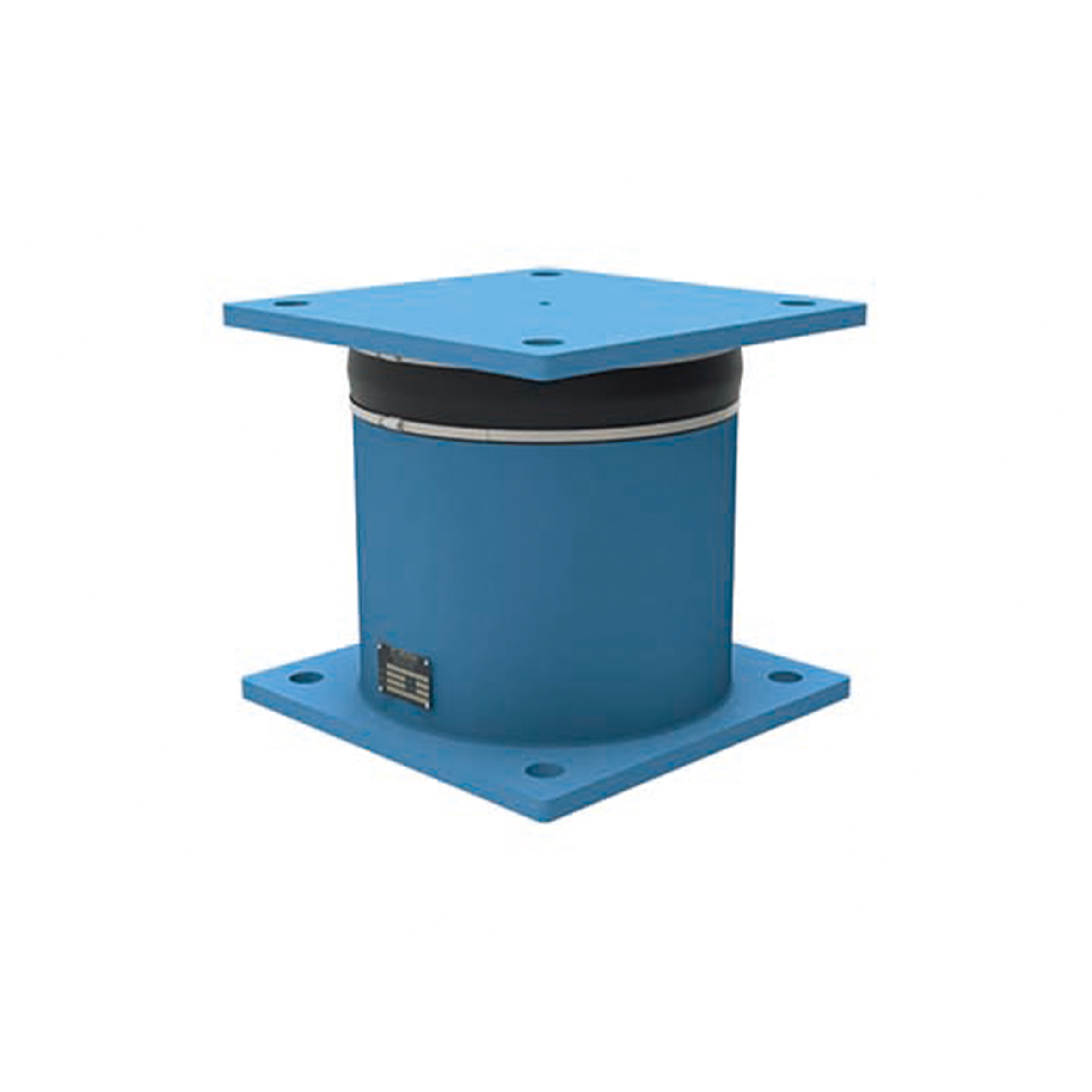
1. Price and Quality:
-Choose damping vibration isolators with moderate and reasonable prices, and avoid choosing very cheap products to save costs. Price is usually determined by its value in use, and if the price is too low, it may not guarantee product quality and vibration isolation effect.
2. National standards and load-bearing requirements:
-The selected damping vibration isolator should comply with national standards, such as the horizontal stiffness and vertical stiffness of the spring.
-The bearing capacity of the vibration isolator should cover the total weight of the vibration isolator equipment (including the entire equipment, machine base, and equipment accessories), and ensure a certain safety margin.
3. Material selection:
-Select suitable materials based on actual application scenarios. For example, rubber materials can better absorb vibrations and noise, making them suitable for occasions with high requirements for vibration isolation and noise reduction; Metal damping vibration isolators have stronger load-bearing capacity and are suitable for heavy equipment.
4. Size and adaptability:
-When selecting, the size of the vibration isolator should be considered to ensure that it is suitable for installation space and matches the weight and working conditions of the equipment. A size that is too small may cause the vibration isolator to be unable to withstand the weight of the equipment, while a size that is too large may result in material waste and affect the stable operation of the equipment.
5. Brand and reputation:
-Priority should be given to selecting damping vibration isolators produced by well-known brands and reputable manufacturers, as such products usually have stricter quality control and after-sales guarantee.
6. Installation and maintenance:
-Before installation, check whether the base of the equipment is flat to ensure that the vibration isolator can work properly.
-Regularly check the wear and tear of vibration isolators, and replace them promptly if they are found to be ineffective or have decreased performance.
In summary, when choosing a damping vibration isolator, it is necessary to comprehensively consider multiple aspects such as price, quality, national standards, material, size, brand reputation, and installation and maintenance. Through careful comparison and selection, one can choose damping vibration isolators with high cost-effectiveness and stable performance, providing strong guarantees for the smooth operation of the equipment.


 Top
Top